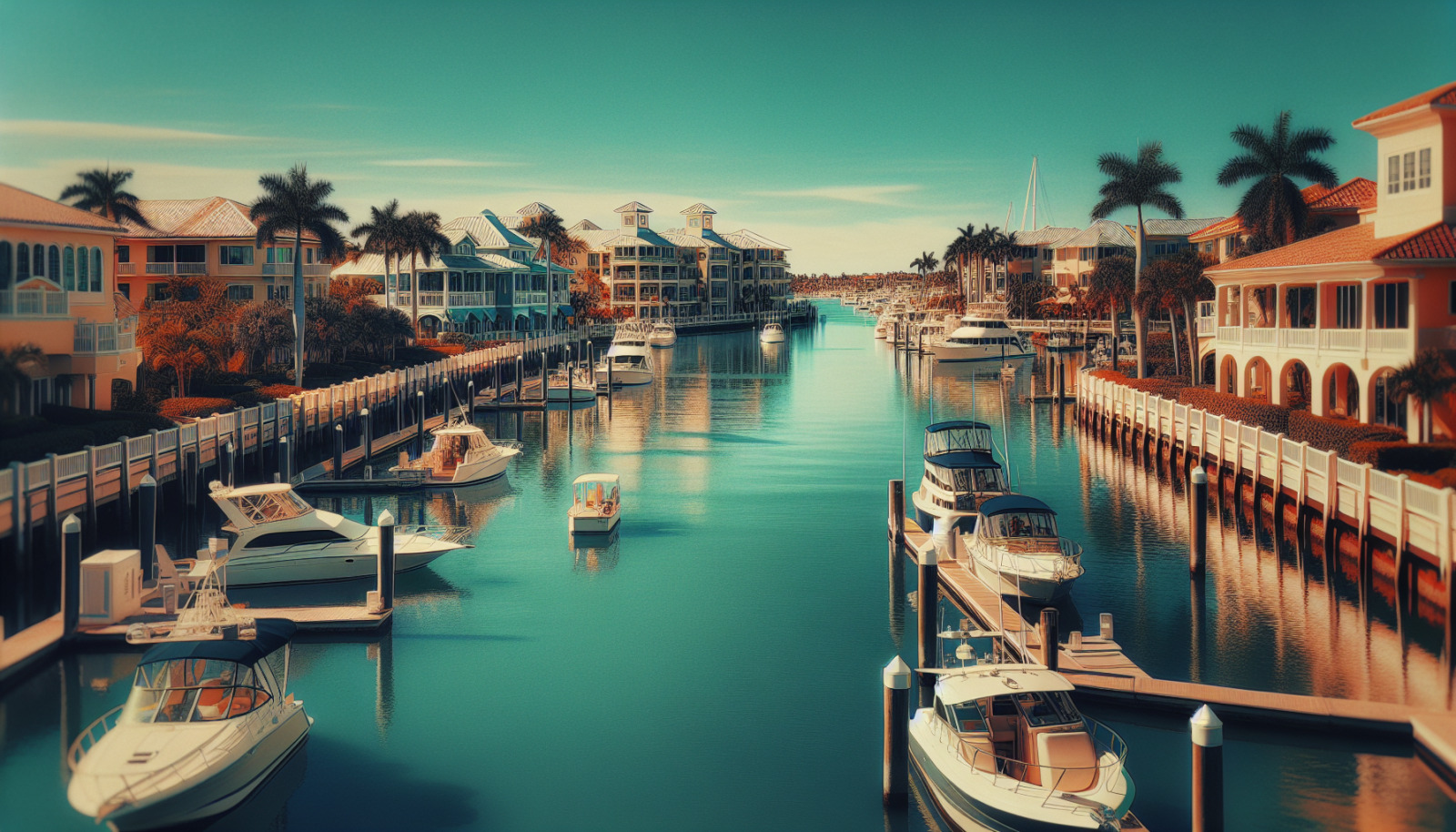
If “Boating in Bonita Springs FL” is on your wish list, you’ve picked one of the most rewarding places in Southwest Florida to launch, cruise, fish, and live. Between the Imperial River meandering through town, the protected waters of Estero Bay, and quick Gulf of Mexico access through nearby passes, Bonita Springs serves up year‑round boating with scenery and variety you’ll never tire of. As Johnny Joyce, Realtor Emeritus, I’ve helped boaters of every stripe—from first‑time pontoon owners to lifelong anglers with offshore ambitions—find the right property and the right water for their lifestyle. Here’s your comprehensive, local guide to boating in Bonita Springs, Florida, plus practical insights on waterfront living that can save you time, money, and headaches.
Why Bonita Springs Is a Boater’s Paradise
Bonita Springs sits at the nexus of three distinct boating environments:
-
The Imperial River: This calm, tea‑colored river flows west through the heart of the city and empties into Estero Bay. It offers shaded, scenic runs with plenty of wildlife and is ideal for pontoons, bay boats, and paddlecraft. It’s also a natural corridor for residents who want Gulf access without trailering.
-
Estero Bay Aquatic Preserve: As Florida’s first aquatic preserve, Estero Bay is a shallow, protected estuary filled with mangrove islands, oyster bars, and winding channels. It’s perfect for inshore fishing, dolphin and manatee spotting, and leisurely cruising away from ocean swell.
-
The Gulf of Mexico: Reachable through nearby passes, the Gulf rewards boaters with wide horizons, beach days, shelling, and nearshore/offshore fishing when conditions allow. For many buyers, the phrase “Gulf access” is the gold standard—and Bonita Springs makes that realistic.
Together, these waters deliver something special: a short run from your dock to quiet backwaters for a weekday sunset cruise, and just a bit farther to sparkling beaches for a weekend family outing.
Boat Ramps, Marinas, and Where to Keep Your Boat
Whether you trailer or prefer a slip, Bonita Springs offers multiple ways to get on the water.
- Public ramps and launches:
- Imperial River Boat Ramp: City‑run access right in Bonita Springs for powerboats, plus convenient spots along the river for hand‑launching kayaks and paddleboards. Expect a gentle current and plenty of parking on weekdays; weekends fill up quickly in season.
- Lovers Key/Big Carlos Pass area: Just north of Bonita Springs, this state‑run facility is a favorite for quick access to the back side of Lovers Key, Estero Bay, and Big Carlos Pass. It’s a smart choice when your day plans include sandbars, wildlife viewing, or a short hop to the Gulf.
-
Wiggins Pass area: To the south, launches near Wiggins Pass provide a straight shot to the Gulf and smooth runs through the backwaters behind Barefoot Beach. These are great for early shelling trips or fishing the outgoing tide.
-
Marinas, boat clubs, and storage:
- Dry stack storage: A practical option that keeps your hull clean and maintenance down. Dry stacks along the Imperial River and near Bonita Beach Road can have seasonal waitlists; if you’re moving here with a boat, plan ahead.
- Boat clubs and rentals: Several local operators along Bonita Beach Road offer member fleets and daily rentals. Clubs work well for seasonal residents who want variety (center consoles one day, a tritoon the next) without the upkeep.
- Community and private marinas: Communities like Bonita Bay have private marinas for residents. Brendan Cove features a riverfront marina convenient to many single‑family homes. These options are prized for their security and proximity to open water.
Insider tip from Johnny: If you’ll launch most weekends during peak season (January–April), factor ramp congestion into your decision. For many buyers, a home with a lift or a marina slip becomes “worth it” in one busy season.
The Best Routes, Day Trips, and Local Boating Highlights
-
Imperial River to Estero Bay loop: Start near Old 41, idle down the river, then explore the mangrove cuts on the eastern side of Estero Bay. This route offers consistent dolphin sightings, osprey nests, and glassy water on calm mornings—great for guests new to boating.
-
Lovers Key and the back bays: Head north for shallow flats, manatees in the cooler months, and lazy sandbar stops. The back side of the islands is a paddler’s dream and a safe place for kids to swim under watchful eyes.
-
Barefoot Beach backwaters and Wiggins Pass: On outgoing tides, you’ll find clear water along the shoals. Bring a cast net for bait, then work the points for snook and trout. Shelling is excellent after summer storms.
-
Dog Beach at the southern end of Bonita: This tidal flat is a local favorite; dogs romp in the shallows and boaters anchor just off the sand. Check the tide chart—arrive near mid to high tide for the easiest access.
-
Mound Key Archaeological State Park: Only accessible by boat in the upper reaches of Estero Bay, this storied island offers a quiet stop steeped in Calusa history. It’s a relaxed half‑day adventure paired with a meandering bay cruise.
Fishing, Wildlife, and When to Go
- Target species by season:
- Spring: Tarpon begin staging; snook wake up along mangrove points; trout feed early and late.
- Summer: Snook season and beach fishing turn on; redfish prowl the edges of grass flats; nearshore snapper runs improve on calm mornings.
- Fall: Redfish school up; bait is abundant; trout thicken on the flats.
-
Winter: Sheepshead and drum around structure; pompano cruise sandy troughs near passes; nearshore opportunities on fair days.
-
Wildlife you’ll see:
- Dolphins are year‑round performers in Estero Bay.
- Manatees love the warm, slow waters of the Imperial River—especially in cooler months.
-
Birdlife includes pelicans, roseate spoonbills, herons, and the ever‑photogenic osprey.
-
Best times:
- Early mornings offer light winds and smooth water nine months of the year.
- In summer, plan to be off the water by mid‑afternoon to dodge pop‑up thunderstorms.
Safety, Tides, Passes, and Local Boating Etiquette
-
Know your depths: Estero Bay is shallow. Stick to marked channels at lower tides and learn the local “cuts” slowly. A chartplotter and a careful eye on water color will keep your prop intact.
-
Passes demand respect: Wiggins, New Pass, and Big Carlos can run fast, especially on spring tides. Work the eddies, keep an eye out for standing waves, and don’t commit to a bar crossing if it looks dicey. It’s completely acceptable to pivot and enjoy the bay instead.
-
Manatee zones and idle areas: You’ll see posted speed zones along the Imperial River and throughout the bay. Besides being the law, slowing down protects prop‑scarred seagrass and gives you more time to spot wildlife.
-
Summer weather: Lightning is serious here. If thunderheads bloom inland by early afternoon, it’s time to wrap up. A VHF radio, updated weather app, and a float plan are inexpensive insurance.
-
Anchoring etiquette: Use plenty of scope, avoid dropping on seagrass, and give other boats space—especially at sandbars like Dog Beach, where currents shift with the tide.
Waterfront Neighborhoods and the Realities of Gulf-Access Living
For many clients, boating is the reason they’re buying in Bonita Springs. Here’s how the main options stack up:
- Imperial River living (Imperial Shores, Brendan Cove, and nearby pockets):
- Pros: Scenic riverfront settings, lifts and docks behind the house, and straightforward access to Estero Bay.
-
Considerations: Current and seasonal debris on the river, plus bridge clearances you should confirm if you run a tall T‑top or sailboat. Ask about wake exposure on wider sections.
-
Canal and bayfront on Little Hickory Island and surrounding streets (Little Hickory Shores and adjacent streets off Bonita Beach Road):
- Pros: Fast runs to the Gulf via nearby passes, strong rental demand for certain properties, and a classic “island boating” feel.
-
Considerations: Exposure to wind and salt spray, maintenance for docks and lifts, and flood/insurance implications. Verify canal depths if you run a heavier center console.
-
Amenity‑rich communities with marina options (Bonita Bay and similar):
- Pros: Security, well‑maintained facilities, member services, and social programming for boaters.
-
Considerations: Membership structures, waitlists for slips, and HOA rules on trailers and work at the dock.
-
Affordable Gulf‑access pockets:
- Bonita Springs has scattered neighborhoods east and west of US‑41 with community ramps or smaller canals. These are great for flats skiffs, bay boats, and pontoons. Confirm bridge heights, the number of no‑wake zones to the bay, and how tides affect your route.
Insider tip from Johnny: If you’re accustomed to deep‑water boating up north, remember our estuary is a shallow‑draft paradise. Bay boats and outboard‑powered pontoons are the most forgiving choices for learning the water here. Deep‑keel sailboats and large inboards will severely limit where—and when—you can go.
Docks, Lifts, Seawalls, and Permits: What Buyers Must Check
-
Dock and lift condition: Look for corrosion on pilings and hardware, spalling on concrete, sagging catwalks, and aging electrical. Lifts need proper capacity and bunks configured for your hull; overloading shortens motor and cable life.
-
Seawall health: Horizontal cracks, soil washouts behind the wall, or leaning panels signal costly repairs. A marine contractor can scope this during inspection.
-
Permitting and setbacks: Dock sizes, finger piers, and lifts must comply with local and state rules. If a previous owner expanded without permits, you inherit the problem. I help clients verify permits and evaluate what’s possible for future improvements.
-
Mangrove trimming: Florida protects mangroves. Trimming often requires licensed professionals and permits. Resist “do‑it‑yourself” cutting—fines are steep, and mangroves help prevent erosion.
-
Riparian lines and neighbor relations: Docks must respect property lines on the water. When in doubt, a survey that includes riparian extensions prevents boundary disputes.
Insurance, Flood Zones, and Cost Realities for Boaters
-
Flood zones: Many waterfront homes fall within AE or VE zones. Proper elevation, flood vents, and updated surveys influence premiums. A home that “looks” high can still rate poorly—paperwork matters.
-
Wind mitigation: Impact windows/doors and roof tie‑downs can dramatically reduce windstorm premiums. Ask sellers for the wind mitigation report; I make sure my clients get it.
-
Boat insurance and storage: Storing a boat on a lift can lower your risk profile. If you plan to keep a trailer on site, confirm HOA rules. Dry stack storage can spare you storm prep and bottom work over time.
-
Maintenance: Saltwater is relentless. Budget for annual service, zincs, bottom cleaning (if in wet slip), and periodic lift service. The payoff is everyday access and spur‑of‑the‑moment cruises.
Practical Itineraries for Every Boater
-
New to the area: Launch from the Imperial River, idle to the bay, and spend an hour learning channel markers and tide lines. Note landmarks and save GPS tracks—you’ll feel at home in two or three outings.
-
Family day: Anchor in the lee of Lovers Key for a picnic, swim at mid‑tide, and drift back through the bay for dolphin‑spotting at sunset. Avoid passes if whitecaps are stacking up.
-
Angler’s half day: At first light, throw a cast net on a lighted dock for bait, hit points with tide movement for snook, then work deeper cuts for trout as the sun climbs. On calm mornings, run outside for nearshore snapper before lunch.
-
Paddler’s morning: Hand‑launch at a quiet river park, trace the mangroves, and glide with the outgoing tide. Keep a respectful distance from manatees—watch for “footprints” (swirling water) to avoid them.
How Johnny Joyce, Realtor Emeritus, Makes Boating in Bonita Springs FL Even Better
With decades of local experience and the Realtor Emeritus distinction, I combine deep market knowledge with practical boating savvy:
-
Matching the boat to the house: I confirm bridge clearances, travel time to the bay, and whether a seawall and lift truly fit your vessel.
-
Vendor network you can trust: Marine contractors, dock and lift specialists, surveyors, insurers, and captains who can provide on‑water orientations to your new backyard.
-
Smart negotiation points: We leverage seawall age, lift capacity, and flood/insurance data in your favor—savings that don’t show up on glossy listing photos.
-
Community guidance: From social boat clubs to neighborhoods with easy sandbar access, I’ll help you land in the lifestyle you’ve imagined, not just a property with a dock.
-
For sellers: I position your home for boaters—clarifying clearances, providing recent service records on docks/lifts, and mapping run times to passes. The right details attract the right buyers.
Ready to Live the Boating Life in Bonita Springs?
“Boating in Bonita Springs FL” isn’t just an activity—it’s a lifestyle that shapes your days, your weekends, and the memories you make with family and friends. Whether you picture sunrise coffee on the river, sandbar afternoons with the kids, or quick Gulf runs on calm mornings, there’s a property and a waterway here with your name on it.
If you’re ready to explore Gulf‑access homes, riverfront retreats, or communities with marina amenities, reach out to me, Johnny Joyce, Realtor Emeritus. I’ll help you navigate the waters, the neighborhoods, and the fine print so your next move is smooth, informed, and exactly what you hoped it would be.