Thinking about moving to Cape Coral, Florida? The phrase “Living in Cape Coral pros and cons” gets searched for a reason: this is a one-of-a-kind waterfront city with real advantages—and a few realities you should plan for. I’m Johnny Joyce, Realtor Emeritus. I’ve spent decades helping buyers, sellers, and investors make smart moves in Cape Coral. Below, I’ll break down what daily life looks like here, where the value is, what to watch for, and how to pick the right neighborhood for your lifestyle and budget.
Why Cape Coral Keeps Climbing Buyers’ Shortlists
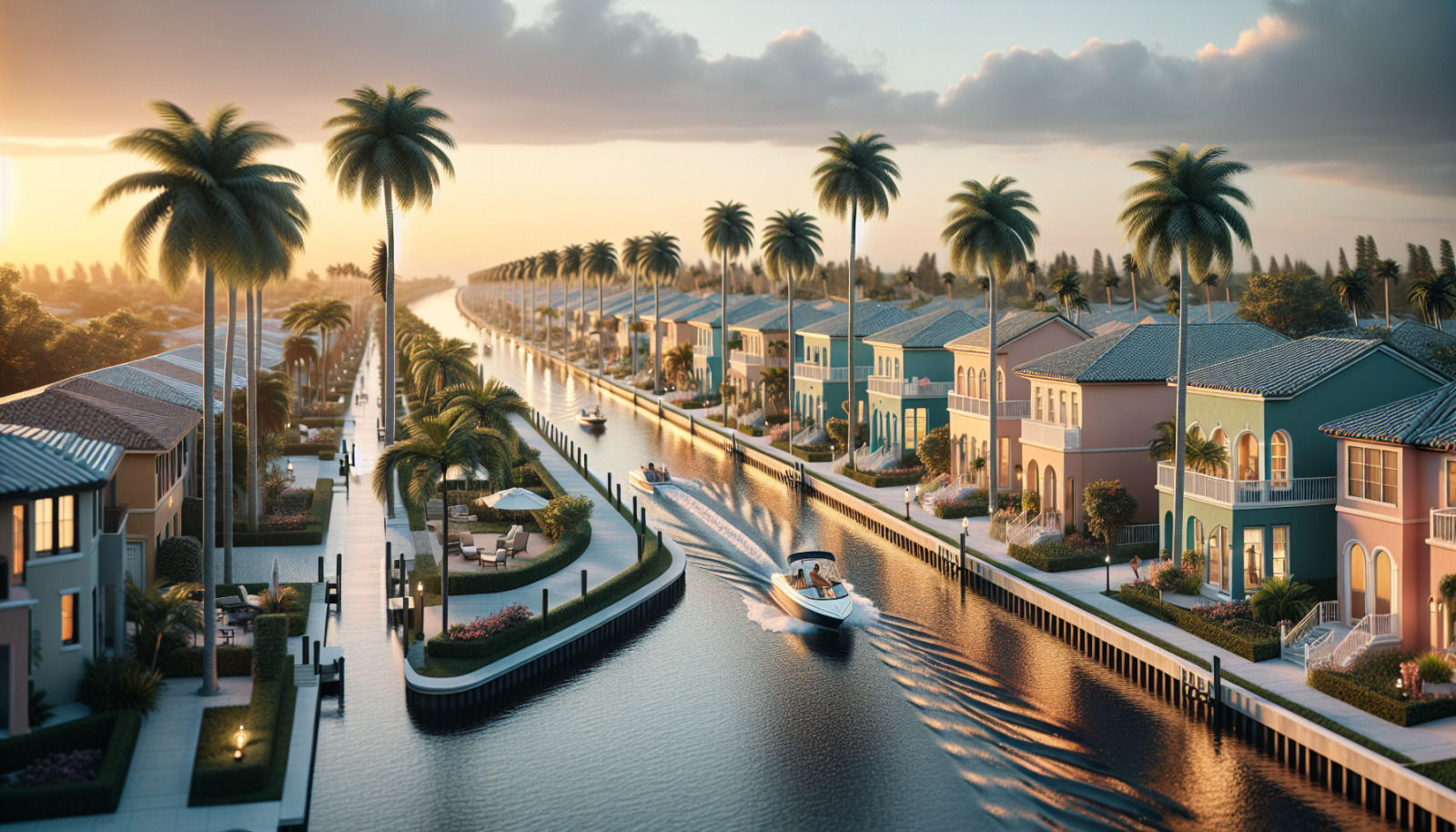
Cape Coral is a boater’s city built around water. With more than 400 miles of canals—the most of any city in the country—residents enjoy backyard docks, quick access to the Caloosahatchee River and Gulf of Mexico, and a laid-back, outdoor-forward lifestyle. Compared with other Southwest Florida markets, Cape Coral often delivers more house and more waterfront for the money. Add Florida’s tax advantages (no state income tax), strong local services, and a family-friendly civic culture, and it’s easy to see the magnetism.
But every slice of paradise has its trade-offs. Seasonal traffic, storm preparedness, insurance costs, and pockets still transitioning from wells and septic to city utilities are real factors. Let’s put the full picture on the table.
The Quick List: Living in Cape Coral Pros and Cons
Pros
- Unmatched canal living and boating access, with marinas at Cape Harbour and Tarpon Point
- Generally strong value versus nearby coastal cities
- No state income tax and homestead protections for primary residents
- Mild, sunny winters and year-round outdoor recreation
- Family-friendly amenities, charter and public school options, active parks system
- Active social calendar: farmers markets, festivals, arts events
- Growing retail and dining along Pine Island Road and in Southwest Cape
Cons
- Hurricane risk, and rising windstorm/flood insurance costs in some areas
- Seasonal traffic and bridge bottlenecks to Fort Myers during rush hours and winter
- Hot, humid summers (plus mosquitoes and no-see-ums)
- Red tide events and occasional blue-green algae affecting water quality nearby
- Limited natural beaches within city limits; best beaches are a drive away
- Utility expansion assessments still apply in parts of North Cape
- Canal nuances (bridge clearances, seawall condition, lock history) can limit boat types and routes
The Waterfront Lifestyle: Cape Coral’s Signature Advantage
If you want water in your backyard, Cape Coral, Florida is hard to beat. The city’s canal network supports nearly every kind of boating lifestyle:
- Direct (sailboat) Gulf access pockets with no bridges—popular in the Yacht Club area, Unit 64, and parts of Southwest Cape—let you take a center console or sailboat to Sanibel or Captiva without height restrictions.
- Gulf access with bridges suits bay boats and pontoons; bridge clearances vary by canal. That’s where a hyper-local read on a specific address matters.
- Freshwater canal homes offer tranquil views, fishing, and kayaking at a lower entry price than Gulf access homes.
Two premier marina destinations—Cape Harbour and Tarpon Point—anchor the Southwest Cape with dining, live music, and events. Northwest Cape’s Spreader Canal corridor backs up to preserved mangroves and rewards kayakers, birders, and sunset-chasers. When clients ask what sets Cape Coral apart, this is it: you can live on the water without paying Naples or Sarasota premiums.
Insider tip: Don’t just ask “Gulf access or not?” Ask about the route. How many bridges? What are the approximate clearances? How wide is the canal, what’s the turning radius for your boat, and what’s the typical time to the river? These details decide whether day-to-day boating feels effortless or frustrating. A Realtor Emeritus who’s mapped these canals for decades can save you from costly mismatches.
Value, Taxes, and Daily Affordability
Compared with many Gulf Coast neighbors, Cape Coral’s price-per-square-foot—especially for waterfront—often stretches your dollar. You’ll find:
- Entry-level condos and townhomes that appeal to first-time buyers, snowbirds, and investors
- Mid-price single-family homes on freshwater canals or dry lots in the Northeast, Trafalgar, and Gator Circle areas
- Gulf access canal homes in the Southwest and Northwest with private docks and lifts
- Luxury estates and high-rise condos at Tarpon Point and Cape Harbour for a resort-style experience
Florida’s no state income tax and the homestead exemption (with its Save Our Homes cap on assessed value increases for primary residents) help long-term affordability. Property tax rates vary by location and exemptions; most buyers appreciate that many Cape Coral neighborhoods have no HOA, reducing monthly fixed costs. That said, budget realistically for insurance (windstorm and flood where applicable), lawn and pool service, pest control, and summer electric bills when the AC runs hard.
Outdoor Living, Parks, and Local Culture
Mild winters make this a 12-month outdoor town:
- Rotary Park Environmental Center brings walking trails, a butterfly house, and access to the mangroves near Rose Garden.
- Four Mile Cove Ecological Preserve offers a boardwalk through wetlands and seasonal kayak rentals along the Caloosahatchee.
- Sirenia Vista Park is a local favorite for kayaking and manatee viewing in cooler months.
- Jaycee Park lines the river with green space, playgrounds, and fitness stations.
- Golfers enjoy Coral Oaks Golf Course (the city course) and options like Palmetto-Pine and Cape Royal in nearby unincorporated areas.
Culture and community run deep: the Saturday Cape Coral Farmers Market downtown draws a crowd most of the year, and the city hosts annual events like Red, White & BOOM, the Cape Coral Festival of the Arts, and countless marina-side concerts. Dining has expanded along Pine Island Road (with national names and local spots) and in Southwest Cape near the marinas.
Schools and Family Amenities
Families look closely at the Lee County School District’s array of neighborhood and magnet options plus Cape Coral’s city-run Oasis charter schools. Popular choices include:
- Oasis Charter schools (Elementary, Middle, High) within the city system
- Cape Coral High (IB program), Ida S. Baker High, and Mariner High
- Elementary standouts like Gulf Elementary and Trafalgar Elementary
- A strong menu of youth sports, aquatic programs, and community classes through Cape Coral Parks & Recreation
As always, families should visit campuses, review the latest performance data, and compare open enrollment options.
Commute and Connectivity
Most daily life happens on-island, but many residents commute to Fort Myers for work or healthcare. Two main bridges connect Cape Coral to the mainland: the Cape Coral Bridge (Cape Coral Parkway) and the Midpoint Bridge (Veterans Memorial Parkway). In season and around peak times, expect delays. RSW (Southwest Florida International Airport) and PGD (Punta Gorda Airport) are both driving options depending on airline and route. Improvements along Burnt Store Road and Pine Island Road continue to enhance North and Northwest Cape access.
The Flip Side: Practical Cons to Weigh
-
Hurricane exposure and insurance: Cape Coral, Florida sits in a hurricane-prone region. Post-storm rebuilding has improved codes and roofing standards, but windstorm and flood insurance can be significant line items. Elevation, distance to open water, roof type, opening protection, and the home’s build year all influence premiums. Smart shopping and mitigation features (impact windows, shutters, strapped roofs) matter.
-
Water quality variability: Red tide in the Gulf and occasional blue-green algae in the Caloosahatchee can impact air and water quality in certain stretches, at certain times. It doesn’t define daily life, but locals pay attention to conditions, especially if boating, beaching, or fishing are central to your plans.
-
Heat, humidity, and bugs: Summers are sticky and stormy, with afternoon downpours and high UV. Most homes have screened lanais; routine pest control, lawn care, and pool service are standard line items.
-
Seasonal traffic: “Snowbird season” boosts local commerce—and congestion. Plan errands to avoid bridge rush hours, use the Veterans/Midpoint corridor strategically, and expect longer waits on Pine Island Road during peak months.
-
Utilities and assessments: Parts of North Cape still transition from well and septic to city utilities through Utility Expansion Projects. Buyers should know whether assessments have been paid or will transfer to the tax bill, and what to expect regarding water quality and equipment (like in-home reverse osmosis) in areas still on wells.
-
No true ocean beaches in city limits: Cape Coral is on the river and canals. For broad Gulf beaches, residents drive to Fort Myers Beach, Sanibel, or Charlotte Harbor–area parks. Many are happily willing to trade the drive for in-town boating and value.
Neighborhoods by Lifestyle
-
For serious boaters: Yacht Club, Unit 64, and pockets near Cape Harbour and Tarpon Point offer direct or near-direct Gulf access and quick runs to Sanibel. These areas typically command a premium but deliver day-to-day convenience for larger boats.
-
For marina life and amenities: Cape Harbour and Tarpon Point provide walkable dining, live music, and upscale condo and single-family options. Great for lock-and-leave or social, low-maintenance living.
-
For newer construction value: Northwest Cape along Burnt Store and the Northeast near Gator Circle offer larger lots, new builds, and room to grow. You’ll find freshwater canals, dry lots, and select Gulf access opportunities at a better price-per-square-foot than the Southwest.
-
For families and convenience: Sandoval (gated) offers trails and resort-style amenities; Heatherwood Lakes and the Trafalgar area are popular for central access to schools and shopping. Many Southeast Cape streets put you within minutes of bridges to Fort Myers, cutting commute times.
-
For golfers: Coral Oaks is the city’s anchor, while nearby Cape Royal and Palmetto-Pine broaden options with club amenities and various membership structures.
Each pocket has nuances—canal width, bridge heights, traffic patterns, HOA rules, and build eras—that can make one street more suitable than the next for your goals.
What a Realistic Monthly Budget Might Include
- Mortgage or rent
- Property taxes (influenced by exemptions and whether the home is primary or secondary)
- Windstorm and flood insurance (risk- and feature-dependent)
- Electric (higher in summer), water/sewer or well maintenance/RO where applicable
- Lawn care and pest control; pool service if applicable
- HOA or condo fees if in a managed community
- Boat fuel, maintenance, and storage/lift upkeep for waterfront owners
The big swing items are insurance and utilities. Getting quotes during your inspection period, and understanding whether any city utility assessments will transfer to you, helps avoid surprises.
Buyer Tips Unique to Cape Coral
-
Understand access categories: “Sailboat/direct,” “Gulf access with bridges,” and “freshwater” aren’t just labels—they decide your vessel options and resale pool. If you own (or plan to buy) a specific boat, test the route and clearances at typical tide.
-
Inspect seawalls and docks: Replacement is costly and permits take time. Evaluate age, integrity, and tie-backs. Corner and intersecting canal lots can be spectacular but study currents and wake exposure.
-
Check exposure and usability: West-facing pools win for sunsets but can be warmer in summer. East-facing lanais capture morning light. Shaded yards may be a plus for pets and AC bills.
-
Read the utility ledger: In areas of recent Utility Expansion Projects, confirm whether assessments are paid or assumed, and request documentation on any in-home filtration systems.
-
Prioritize storm features: Impact windows/doors, newer roofs, elevations, and flood vents can influence premiums and peace of mind. They’re also marketable for resale.
-
HOA or no HOA: Many Cape Coral neighborhoods have no HOA—which means fewer restrictions and fees. If you want predictable aesthetics or amenities, a gated community may suit you better; if you value flexibility (including potential for short-term renting where permitted), a non-HOA area might be best.
How I Help as Johnny Joyce, Realtor Emeritus
Cape Coral’s charm is in the details—and so are its pitfalls. Here’s what my clients lean on:
- Canal-by-canal guidance: I help you match your boat and lifestyle with the right water access, bridge scenario, and route time to the river.
- Insurance-savvy search: We factor wind/flood risk, elevation, and mitigation features into your targeting to reduce long-term costs.
- Neighborhood micro-knowledge: School options, traffic patterns, utility timelines, and construction eras all go into my recommendations.
- New construction vs. resale: I compare the full cost picture—lot prep, seawalls, docks, pool packages, and permitting timelines—so you don’t underestimate a “to-be-built.”
- Vendor network: Inspectors who understand seawalls, dock specialists, insurance brokers, and remodel pros who know our codes and soils.
- Negotiation and protections: From seawall and roof life to utility assessments and permit close-outs, I structure offers to protect you and keep closings on track.
Whether you’re upsizing to a sailboat-access home near the Yacht Club, chasing value in Northwest Cape, or securing a low-maintenance condo at Tarpon Point, my goal is simple: help you buy the right house on the right canal for the right long-term outcome.
The Bottom Line on Living in Cape Coral Pros and Cons
If you dream of boating from your backyard, watching manatees from your kayak, and paying less than you would in many comparable Gulf Coast cities, Cape Coral, Florida is a standout. The trade-offs—hurricane preparedness, insurance costs, seasonal traffic, and understanding utilities—are real but manageable with the right plan. The winners here are buyers who do their homework, choose the right neighborhood pocket, and buy homes with features that align with their actual lifestyle.
If you’re weighing the pros and cons of living in Cape Coral and want an experienced, straight-talking guide, I’m here to help. I’m Johnny Joyce, Realtor Emeritus—ready to put decades of Cape Coral insight to work for you. Reach out when you’re ready to tour neighborhoods by land and by water, compare true access routes, and secure a home that checks every box.