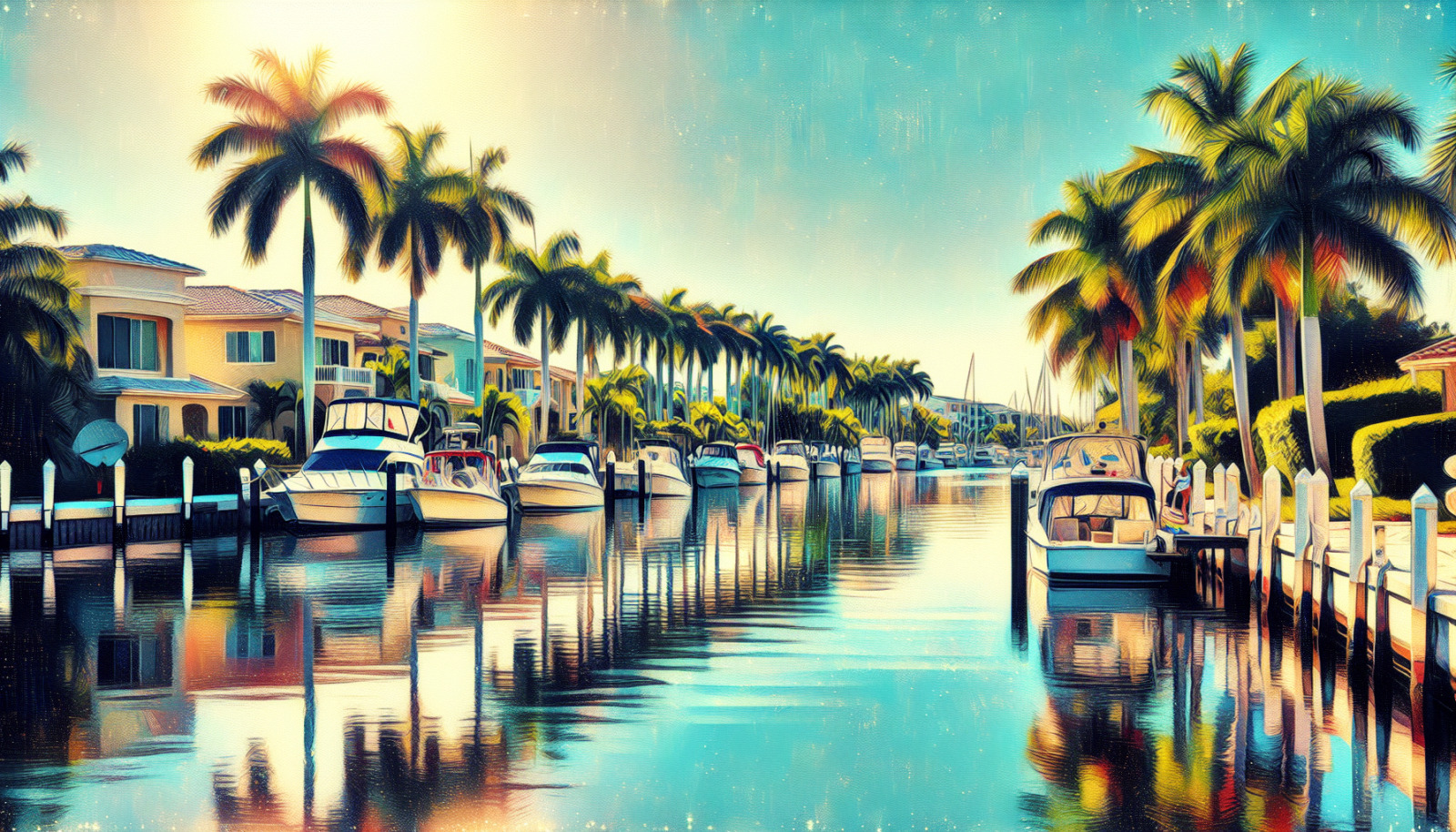
Boating in Cape Coral Florida isn’t just a weekend hobby—it’s a way of life woven into the city’s design. With more than 400 miles of canals, easy access to the Caloosahatchee River, and short runs to Sanibel, Captiva, Pine Island Sound, and the Gulf of Mexico, Cape Coral, Florida is one of the best boating communities in the country. Whether you’re a serious angler, a sunset cruiser, or a family looking for dock-and-dine weekends, the water is never far away.
I’m Johnny Joyce, Realtor Emeritus. I’ve helped generations of buyers and sellers navigate Cape Coral’s waterfront market. From understanding bridge clearances to matching homes with the right lifts and canal systems, I bring deep local knowledge so your boating dreams fit your lifestyle and your boat.
Why Cape Coral Is a Boater’s Paradise
Cape Coral’s layout was engineered for boaters. Many neighborhoods are wrapped around saltwater canals that flow into the Caloosahatchee River and then out to San Carlos Bay and the Gulf. Others feature freshwater canal and lake systems perfect for kayaking, paddleboarding, and bass fishing. Either way, you’ll find:
- Quick access to open water: Launch from your backyard on gulf-access canals and be in the river within minutes, depending on neighborhood.
- Calm, protected waterways: Miles of canals mean calm, family-friendly runs and easy learning curves for new boaters.
- Year-round boating: Mild winters and warm water make the season essentially 12 months long.
- Diverse destinations: Cruise to Sanibel for shelling, anchor off Picnic Island near the causeway, explore Pine Island Sound’s mangroves, or run out toward Boca Grande Pass for world-class tarpon.
If you’re comparing waterfront communities in Florida, Boating in Cape Coral Florida stands out because it combines backyard boating with a wide variety of routes and experiences for every type of captain.
Understanding Cape Coral’s Canal Systems
Before you buy a waterfront home—or even choose where to rent a slip—know the difference between canal types and how they affect your boating.
- Gulf-access (saltwater) canals: These allow you to reach the Caloosahatchee River, Pine Island Sound, and the Gulf of Mexico. Some are “direct” or “sailboat access,” meaning there are no fixed bridges between your dock and open water. Others include one or more fixed bridges with specific height clearances you must pass under.
- Freshwater canals and lakes: Excellent for pontoons, small runabouts, kayaks, and fishing, but they do not connect to the Gulf. Systems include areas around Lake Kennedy, Saratoga Lake, Weatherly and Mohawk lakes, and more. These waters are tranquil and scenic, with neighborhood parks and wildlife viewing.
Bridge clearances and route time matter. In cape-wide practice, fixed-bridge clearances on gulf-access canals commonly range around 8–10+ feet at high tide, but they vary street by street. Some neighborhoods near the river—like portions of the Yacht Club, Tarpon Point, and Cape Harbour areas—offer direct/sailboat access with no fixed bridge restrictions. In other areas, you’ll encounter one or more bridges before reaching the river or Matlacha Pass. I maintain detailed notes on bridges, approximate clearances at mean high water, and typical run times from each neighborhood so buyers choose a home that truly matches their boat.
Also evaluate:
- Depth at low tide in your canal and turning basin.
- Number of bridges on your route.
- The canal’s “fetch” (how wind can build chop).
- Proximity to fuel, bait, and emergency services on water.
This is where a seasoned local guide makes a real difference. One conversation can save you from buying on the wrong canal for your center console or trawler.
Popular Boating Routes and Day Trips
Boating in Cape Coral Florida delivers an incredible range of day trips. A few favorites locals love:
- Sanibel and the Causeway Islands: Idle out your canal, head east or west on the Caloosahatchee depending on your location, and make your way to San Carlos Bay. Anchor around Picnic Island or cruise the Sanibel shoreline for shelling and dolphin sightings.
- Pine Island Sound and Cayo Costa: Slip through Matlacha Pass from the northwest Cape or run the river and curve around to Pine Island Sound. Explore mangrove islands, quiet coves, and pristine beaches. Cayo Costa’s shoreline is a classic shelling and beach day.
- Captiva and North Captiva: Protected waters and sandy shorelines make for memorable family days. Watch for manatees in warmer months and dolphins year-round.
- Fort Myers Beach via Estero Bay: A longer but scenic run for a full day out. Go early to avoid afternoon chop and weekend congestion.
- Boca Grande Pass (experienced boaters): Legendary tarpon fishing when the season heats up. Always check conditions and go prepared.
For shorter local cruises, evening loops through your neighborhood canals or sunset runs on the river are part of everyday life in Cape Coral, Florida.
Boat Ramps, Marinas, and Fuel in Cape Coral
Public access and full-service marinas make getting on the water straightforward whether you’re trailering or docked at home.
- Rosen Park: On the east side of Cape Coral with a well-maintained boat ramp, parking, and convenient access to the Caloosahatchee River. Great for those in southeast and mid-Cape.
- Horton Park & Boat Ramp: East Cape Coral with fast river access; ideal for sunrise and fishing starts.
- Burnt Store Boat Ramp: Serves northwest Cape boaters launching toward Matlacha Pass and Pine Island Sound.
- Sirenia Vista Park: Primarily a kayak/canoe launch, it’s a quiet spot to slip into mangrove-lined waters and look for manatees.
Full-service marinas with dockage, ship’s stores, and fuel include:
- Tarpon Point Marina: Southwest Cape, a luxury setting with fuel, provisioning, and on-site dining. Excellent jumping-off point for Sanibel and outer islands.
- The Marina at Cape Harbour: Southwest Cape with wet slips, fuel, dining, boutiques, and seasonal events. Ideal home base for cruising Pine Island Sound and the river.
Local boat clubs and rentals operate out of these marinas and other points around the city, offering an option for newcomers who want to try different boat types before buying.
Waterfront Dining You Can Dock At
One of the joys of Boating in Cape Coral Florida is pulling into a slip for lunch or a sunset cocktail. Within Cape Coral, you can tie up at:
- Cape Harbour’s waterfront restaurants: Options for casual lunches and upscale dinners right off the docks, with live music on many evenings.
- Tarpon Point’s dock-and-dine scene: Relaxed outdoor spots and full-service dining within steps of your slip.
Venture a little farther by water and you’ll find classic island stops sprinkled through Pine Island Sound and the Matlacha area, perfect for a slow cruise, good food, and island vibes.
Pro tip from Johnny: Plan your docking around tides and weekend peaks, especially during winter season. Arrive early, and always keep an eye on wind direction for an easier approach into the slip.
Fishing and Wildlife on the Water
Cape Coral is part of a thriving inshore fishery:
- Inshore species: Snook, redfish, speckled trout, mangrove snapper, sheepshead, jack crevalle, and black drum are regular targets in canals, passes, and around mangroves.
- Tarpon: Peak action typically builds in late spring into summer in nearby passes, with resident fish cruising local bays and channels.
- Offshore opportunities: On calm days, experienced captains run west into the Gulf for grouper, snapper, cobia, and pelagics.
Wildlife is constant. Dolphins frequently surf boat wakes in the river, manatees meander through canals in warmer months, and ospreys patrol overhead with mullet in their talons. Remember to idle in manatee zones and swing wide around dolphins—enjoy the show, but never chase.
Safety, Rules, and Seasonal Conditions
Safe, respectful boating keeps Cape Coral’s waters enjoyable for everyone:
- Idle and slow-speed zones: Expect idle speeds in most residential canals and marked slow zones in manatee areas and narrow channels. Obey posted signs—enforcement is active.
- Boater education: Florida requires a boating safety education ID card for anyone born on or after January 1, 1988, operating a powered vessel of 10 horsepower or more. Even experienced boaters benefit from a local refresher.
- Weather windows: Mornings are generally calmer. Afternoon sea breezes can stack up a chop on the Caloosahatchee and across open bays. Check tide tables and wind forecasts before you go.
- Navigation: Keep to the marked channels entering San Carlos Bay and Pine Island Sound; outside markers, shallow flats and oyster bars can surprise even seasoned boaters.
- Environmental care: Avoid scarring seagrass by trimming up and idling through shallows. Stow your trash. Respect mangrove shorelines and roped-off bird rookeries.
A quick dockside briefing for visiting friends on rules and etiquette goes a long way: no wakes in canals, lines and fenders ready before docking, and a designated lookout in tight quarters.
Buying a Waterfront Home: What Boaters Should Look For
Not all “waterfront” is created equal. Here’s the short list I walk through with every boating client:
- Access type: Direct/sailboat access vs. gulf-access with bridges vs. freshwater only. Verify the number of bridges and the lowest clearance at mean high water.
- Run time to open water: From tie-up to river or Matlacha Pass. A few extra minutes twice a day adds up—choose based on how often you’ll go out.
- Depth and width at your dock: Check depth at low tide and whether there’s room to spin your boat in the basin.
- Seawall condition: Look for cracking, bowing, or failing cap joints. Replacement is a major investment—negotiate accordingly.
- Dock and lift: Confirm lift capacity (weight and beam), lift age, motor condition, and piling integrity. Ensure the lift suits your current and future boat.
- Orientation and wind: South and southwest exposures can bring afternoon chop across wider canals; protected corners can be calmer for docking.
- Utilities at dock: Power, water, and lighting make maintenance easier and nights on the water more enjoyable.
- Insurance and elevation: Understand flood zones and wind mitigation features. Elevated homes, impact windows, and robust roofs can impact premiums.
- Permits and restrictions: City rules on dock/lift permits and mangrove trimming are specific; plan upgrades with compliance in mind.
- Neighborhood character: Do you want a lively dock-and-dine scene nearby or a quiet mangrove backdrop? The feel changes by canal and by block.
I preview these items before we write an offer, and I leverage trusted marine contractors for fast, reliable opinions when timing is tight.
Neighborhoods Boaters Ask Me About
- Yacht Club and Gold Coast (SE Cape): Quick river access, mature neighborhoods, and classic Florida vibes. Great for frequent sunset runs and short Gulf routes.
- Tarpon Point and Cape Harbour (SW Cape): Upscale marinas, dining, and direct/sailboat-access pockets ideal for larger boats and trawlers.
- Pelican and Eight Lakes area (SW Cape): Scenic canals and lakes with attractive homes and a community feel; verify bridge clearances.
- Northwest Cape along Old Burnt Store Road: Proximity to Matlacha Pass and Pine Island Sound, mangrove-edged spreader canals, and newer construction; depth and bridge details vary—worth expert mapping.
- Freshwater lake systems (central and north Cape): Kayak-friendly, quiet waters, and great for families who want waterfront living without Gulf runs.
Each of these areas has trade-offs—price, age of seawalls, bridge counts, and run times. I keep current spreadsheets and maps to help clients choose with confidence.
How Johnny Joyce, Realtor Emeritus, Helps Boaters Win
Experience on the water translates directly to better waterfront purchases. Here’s what I bring to the helm:
- Canal-by-canal expertise: I track typical bridge clearances, low-tide depths, and approximate run times from each neighborhood.
- Property-specific diligence: I examine seawalls, pilings, caps, lift specs, dock materials, and electrical at the dock before you spend on inspections.
- Strategic negotiations: If a lift is undersized or the seawall shows wear, we use that to adjust price, credits, or repairs.
- Vendor network: Marine surveyors, seawall and dock builders, lift installers, and insurance pros who understand Cape Coral’s specific needs.
- Lifestyle fit: I align your home search with where you actually boat—Sanibel shelling runs, Pine Island Sound fishing, or canal cruising with the kids—so your dock location makes your routine easy.
- Long-term value: Resale appeal hinges on access, condition, and practical details at the dock. I guide you toward properties that hold desirability with boaters year after year.
When you’re focused on Boating in Cape Coral Florida, these details aren’t extras—they’re essential.
Ready to Launch? Your Next Steps
- Clarify your boating profile: Center console angler, trawler cruiser, pontoon family, or all of the above. Boat size and height drive neighborhood fit.
- Set priorities: Direct access vs. budget, run time vs. newer home, marina proximity vs. quieter canals.
- Walk properties by water: When possible, I preview neighborhoods from the water to confirm depths, traffic patterns, and wind exposure.
- Prepare to act: The best waterfront homes move quickly. I’ll help you line up pre-approval, insurance conversations, and contractor availability so you can close smoothly.
Boating in Cape Coral Florida is about more than owning a boat—it’s about living in a city designed to make every outing easier, safer, and more spectacular. If you’re ready to find a home that fits your boat and your lifestyle, I’m ready to put decades of local, on-the-water insight to work for you. Reach out to Johnny Joyce, Realtor Emeritus, and let’s chart the course to your perfect Cape Coral waterfront home.