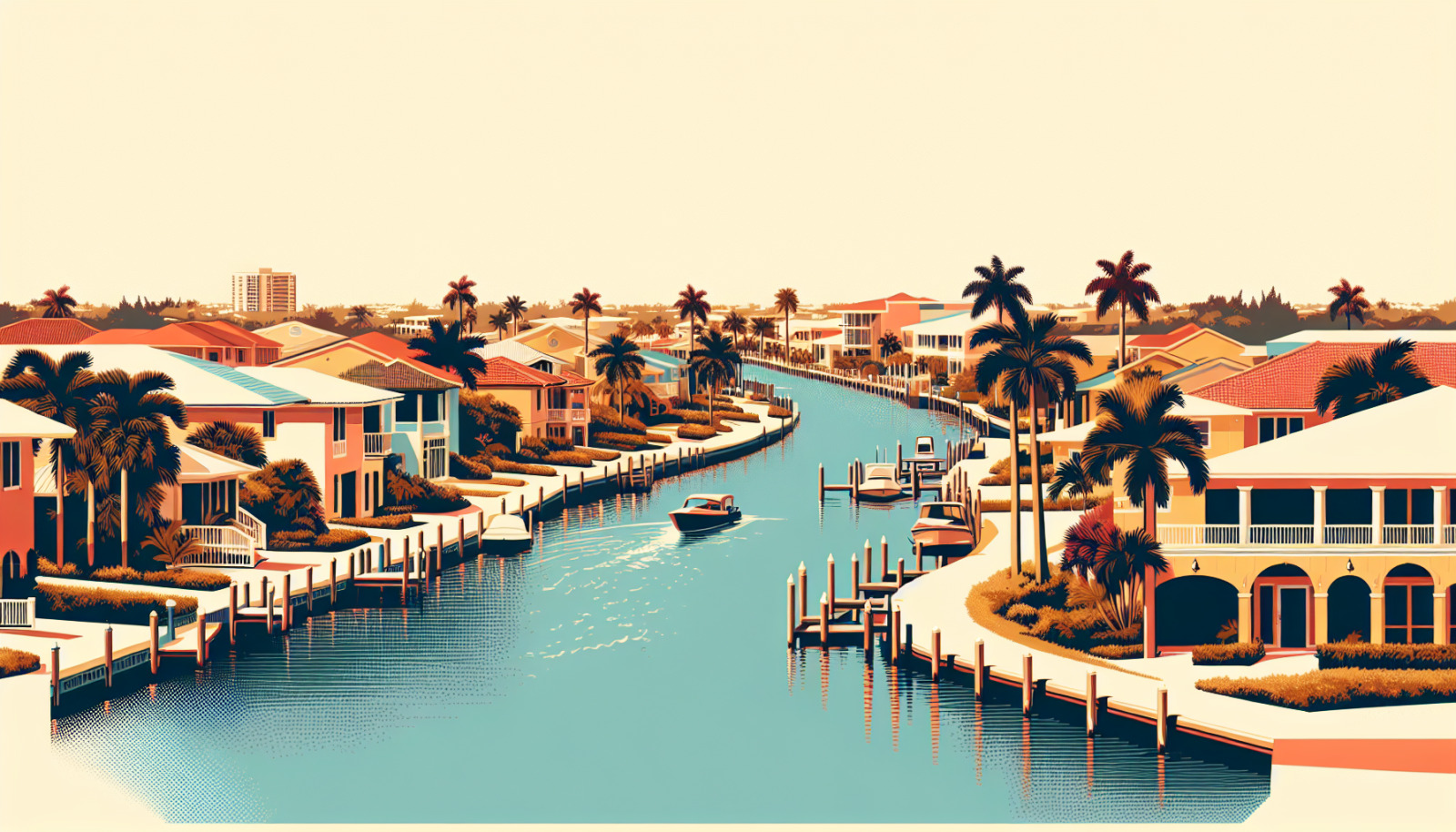
Thinking about new sunshine, year-round boating, and a relaxed coastal pace without giving up big-city conveniences? If you’re asking “Why move to Cape Coral Florida,” the answer starts with water. Cape Coral, Florida is famous for its 400-plus miles of navigable canals—more than any city in the world—connecting neighborhoods to the Caloosahatchee River, Pine Island Sound, and the Gulf of Mexico. Add in no state income tax, vibrant parks and festivals, strong schools and healthcare nearby, and an active lifestyle that appeals to families, remote workers, and retirees alike, and you’ll see why so many people choose to plant roots here.
As a longtime local and Realtor Emeritus, I’ve helped thousands of buyers and sellers make smart moves in Cape Coral. Below is a comprehensive, boots-on-the-ground look at living here and how to find the right home—especially if you’re dreaming of a waterfront lifestyle.
The Waterfront Lifestyle: Boating, Fishing, and 400+ Miles of Canals
Water shapes daily life in Cape Coral. Many residents step right out to their dock to boat, fish, paddleboard, or watch dolphins and manatees cruise by. You’ll find two main types of canal properties:
- Gulf-access canals: These lead to the Caloosahatchee River and, from there, Sanibel, Captiva, Fort Myers Beach, Cayo Costa, and beyond. It’s an ideal setup for powerboats and avid anglers targeting snook, redfish, and tarpon in Pine Island Sound.
- Freshwater canals and lakes: Perfect for kayaking, canoeing, and relaxed waterfront living at a lower price point than gulf-access.
On any given day, you can launch a kayak at Four Mile Cove Ecological Preserve, spot manatees around Sirenia Vista Park in cooler months, or head by boat to lunch at marinas like Cape Harbour and Tarpon Point. The city’s historic Yacht Club Community Park area is undergoing a major rebuild after hurricane damage, but marinas and water access points throughout Cape Coral keep the on-the-water fun going strong.
Insider tip from Johnny: When buying on a gulf-access canal, bridge clearance, canal width, and distance to open water matter. Sailboat or “no-bridge” access carries a premium. I help my clients analyze routes, bridge heights, and travel time so the home matches your boat and boating style.
Neighborhoods and Homes: From Entry-Level to Luxury Waterfront
Cape Coral offers a wide range of homes across different lifestyles and budgets:
- Southwest Cape: Highly sought-after for mature landscaping, established neighborhoods, quick boating access, and lifestyle hubs at Cape Harbour and Tarpon Point. You’ll find canal-front single-family homes, luxury estates, and marina-view condos.
- Southeast Cape: Classic Cape Coral with a grid of canals, close to the Cape Coral Bridge and downtown/South Cape Entertainment District. Great for commuters who want boating plus convenience.
- Northwest Cape: One of the city’s fastest-growing areas, with new construction, larger lots, and both freshwater and gulf-access options. Attractive pricing for buyers eyeing future appreciation along the Burnt Store Road corridor.
- Gated communities: Sandoval is a perennial favorite for resort-style amenities and family-friendly living. Golfers love Cape Royal, a gated community set around a 27-hole championship course. You’ll also find smaller gated enclaves sprinkled through the city.
- Condos and villas: Popular near marinas and along major canals—ideal for low-maintenance living, snowbirds, or investors seeking seasonal rental demand.
Waterfront details that impact value and enjoyment include seawall condition, dock and lift capacity, exposure (south-facing pools are prized for all-day sun), and the width/orientation of the canal. Inland homes provide excellent value, yard space, and proximity to parks and schools, with the bonus of avoiding flood zones in many areas.
Cost of Living, Taxes, and Insurance: What to Expect
Florida’s lack of a state income tax is a major draw, and Lee County’s property taxes are generally competitive compared to many northern states. Florida homeowners can also benefit from:
- Homestead exemption: Lowers the assessed value of your primary residence.
- Save Our Homes cap: Limits annual increases in assessed value for homesteaded property.
Insurance is part of the Florida equation. Premiums vary based on age of the roof, wind mitigation features (impact windows, shutters, roof deck attachment, secondary water barrier), elevation, and flood zone. Gulf-access properties and homes east of major waterways may sit in flood zones requiring a flood policy. Freshwater and inland homes may be in low-risk zones where flood insurance is optional and more affordable.
Insider tip from Johnny: I connect buyers with trusted insurance pros early in the process. A wind mitigation inspection and elevation certificate can clarify costs before you write an offer. On waterfront lots, we’ll scrutinize the seawall and dock—replacement can be a five-figure project, so it pays to know the facts upfront.
Schools, Healthcare, and Everyday Convenience
Families appreciate Cape Coral’s mix of district and charter options. The city is served by the School District of Lee County, along with the Cape Coral Charter School Authority’s Oasis campuses. Notable choices include Cape Coral High School’s International Baccalaureate program, Ida S. Baker High, Mariner High and Middle, and well-regarded elementary and middle schools like Trafalgar, Diplomat, Gulf, and Oasis.
Healthcare is anchored by Cape Coral Hospital (Lee Health) and the Cape Coral VA Healthcare Center, with specialized pediatric care at Golisano Children’s Hospital and additional hospitals just over the river in Fort Myers. Everyday needs—from major supermarkets and home improvement stores to local shops and salons—are spread across the Cape, with extensive retail along Pine Island Road.
Parks, Nature, and Beaches Nearby
Cape Coral is overflowing with parks and outdoor spaces:
- Rotary Park Environmental Center: Trails through mangroves and uplands, butterfly house, and nature programs.
- Four Mile Cove Ecological Preserve: Boardwalks, kayak rentals, and seasonal eagle watching.
- Sirenia Vista Park: A great spot for manatee viewing in cooler months and launching kayaks into the Matlacha Pass Aquatic Preserve.
- Jaycee Park and Horton Park: Riverfront greenspaces ideal for picnics, jogging, and paddlecraft launches.
- Sun Splash Family Waterpark: A local favorite with slides and a lazy river, typically open seasonally.
- Coral Oaks Golf Course: A city-owned 18-hole course with a driving range; private clubs like Palmetto-Pine and the semi-private 27-hole Cape Royal add variety for golfers.
Cape Coral doesn’t feature wide-open Gulf beaches within city limits, but you’re a short drive or boat ride from the renowned sands of Sanibel, Captiva, and Fort Myers Beach—plus state parks and island preserves that make weekend exploring a joy.
Dining, Culture, and Community Events
From waterfront dining at Cape Harbour and Tarpon Point to mom-and-pop favorites scattered across town, the food scene ranges from fresh seafood to international cuisine. The South Cape Entertainment District pulses with bars, cafes, and live music. Popular events include:
- Cape Coral Art Festival & Market Place (January)
- Red, White & Boom (July 4th fireworks on the river)
- Cape Coral Bike Night (multiple times per year)
- One of the region’s largest Oktoberfest celebrations, hosted by a local social club each fall
- Beloved seasonal farmers markets like the Saturday Cape Coral Farmers’ Market and the Surfside Sunshine Market
Sports fans appreciate that Major League Baseball’s Boston Red Sox and Minnesota Twins hold spring training across the river in Fort Myers. Southwest Florida International Airport (RSW) offers ample flight options for travelers and snowbirds.
Weather, Seasons, and Hurricane Preparedness
Expect balmy winters, hot summers, and a rainy season that keeps everything lush. Hurricane season runs June through November. Newer Florida building codes have strengthened construction practices—roofing standards, impact glass, and reinforced garage doors make a real difference. For peace of mind, many homeowners add whole-house generators and storm shutters. If you’re new to Florida, I’ll walk you through best practices for storm prep and help you understand how elevation, drainage, and tree maintenance factor into resilience.
Who Thrives in Cape Coral?
- Boaters and anglers who want backyard water access and a coastal lifestyle
- Families seeking good schools, parks, and sports programs
- Retirees drawn to warm winters, golf, and low-maintenance living
- Remote workers who value quiet neighborhoods, home office space, and robust internet (gig-speed cable and expanding fiber options are readily available)
- Investors eyeing seasonal rental demand and long-term growth in a fast-developing coastal city
Smart Buying Tips for Cape Coral Homes
A few local nuances will make you a savvier buyer:
- Know your canals: Bridge heights, canal width, and distance to open water affect usability and value.
- Inspect the seawall and dock: Age, tie-back condition, cap integrity, and evidence of movement matter; I bring in specialists when needed.
- Research flood zones: Many inland areas are in low-risk zones. Waterfront’s risk varies—AE and VE zones require different considerations.
- Check utility status: Portions of North Cape transition from well/septic to city water/sewer via planned utility expansion projects; assessments may apply. I’ll confirm status, costs, and timelines.
- Analyze sun exposure: South and west-facing pools get strong afternoon sun; east-facing offers gentler mornings; buyers have preferences—let’s match yours.
- Evaluate insurance early: A wind mitigation report and roof age can significantly affect premiums.
- Understand HOA vs. non-HOA: Cape Coral offers plenty of non-HOA neighborhoods for flexibility, as well as gated communities with amenities.
How Johnny Joyce, Realtor Emeritus, Makes Your Move Easier
“Realtor Emeritus” is a distinction earned through decades of service and professionalism. Here’s how that depth translates to your advantage:
- Canal-by-canal expertise: I help you choose the right waterway for your boat and lifestyle, avoiding surprises with bridges, lock considerations, and canal depth.
- New construction guidance: From lot selection and orientation to builder vetting and finishes that hold value, you’ll benefit from hard-won local knowledge.
- Hyperlocal pricing strategy: Micro-market comps matter—corner lots, basin views, and sailboat access can swing value. I price and negotiate accordingly.
- Due diligence you can trust: I coordinate inspections, seawall evaluations, insurance quotes, and permit/history checks so you buy with confidence.
- Vendor network: Inspectors, marine contractors, remodelers, pool companies, landscapers, and insurance pros—reliable teams that respect your time and budget.
- Relocation concierge: From temporary housing to movers, utilities, and school registrations, I keep your transition smooth before, during, and after closing.
A Simple Plan to Relocate with Confidence
- Discovery call: Clarify your goals, timeline, and must-haves.
- Neighborhood match: I map options that fit your budget, boating needs, commute, and lifestyle.
- On-the-water and in-person tours: See homes and canals that suit your boat; I’ll show you the routes.
- Offer and inspections: Strategic terms win homes; thorough inspections protect you.
- Insurance and flood review: Lock in coverage and understand costs before you finalize.
- Close and settle in: I’ll connect you with trusted local services and remain your go-to resource long after closing.
Frequently Asked Questions
Is Cape Coral affordable compared to other Florida coasts?
Cape Coral often delivers strong value for waterfront living relative to many east coast and South Florida markets. Inland homes provide even more affordability while keeping you close to water, parks, and amenities.
What’s the best time to buy?
Winter and early spring see the most listings and competition due to seasonal visitors. Summer can bring opportunities for patient buyers. The right time is when you’re ready—and prepared—with financing and a clear plan.
Is Cape Coral good for families?
Yes. With a mix of charter and district schools, youth sports, parks, and community programs, families thrive here. We’ll align school preferences and extracurriculars with neighborhoods that fit your routine.
What about storms?
Hurricanes are part of Florida life. Stronger building codes, proper home features (impact protection, roof condition, elevation), and a personal plan keep risk manageable. I’ll help you assess each home’s resilience.
The Bottom Line: Why Move to Cape Coral Florida
Cape Coral, Florida blends everyday comfort with vacation-caliber living: a laid-back canal city where you can boat to dinner, tee off before lunch, and cap the day with a sunset over the Caloosahatchee. You’ll find diverse neighborhoods, a favorable tax environment, abundant parks and marinas, and a welcoming community spirit. Whether you’re dreaming of a sailboat in the backyard, a family home near great schools, or a lock-and-leave condo by the marina, there’s a corner of Cape Coral with your name on it.
If you’re serious about moving, work with a local who lives and breathes this market. As Johnny Joyce, Realtor Emeritus, I pair deep neighborhood knowledge with meticulous due diligence to make your move to Cape Coral smooth, informed, and rewarding. Let’s talk about the lifestyle you want and put a plan in motion to find the home—and the waterway—that fits it perfectly.